



Wellness and Skin Care When Healthy Living Reflects on Your Skin
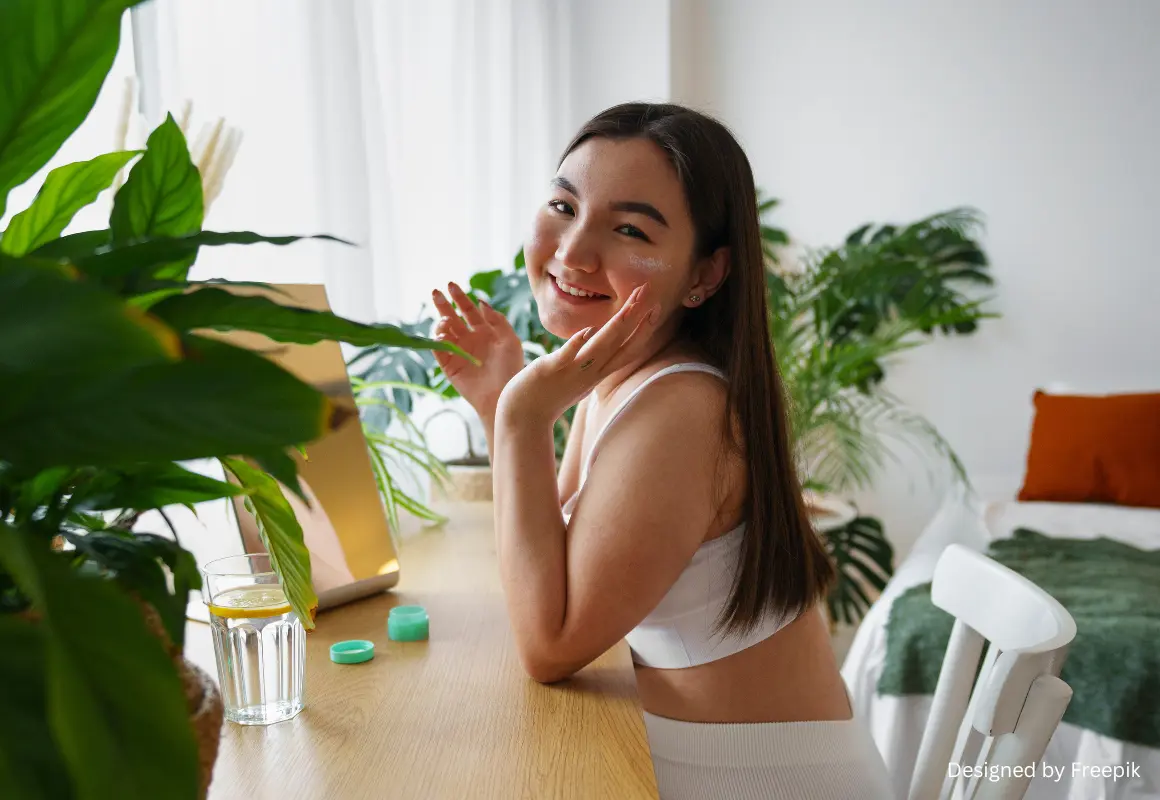
Wellness and Skin Care When Healthy Living Reflects on Your Skin
In today’s world, skin care is no longer just about looking good—it is about feeling well, living well, and caring for the body as a whole. Scientific research now confirms what many cultures have believed for centuries: healthy skin is a reflection of overall wellness.
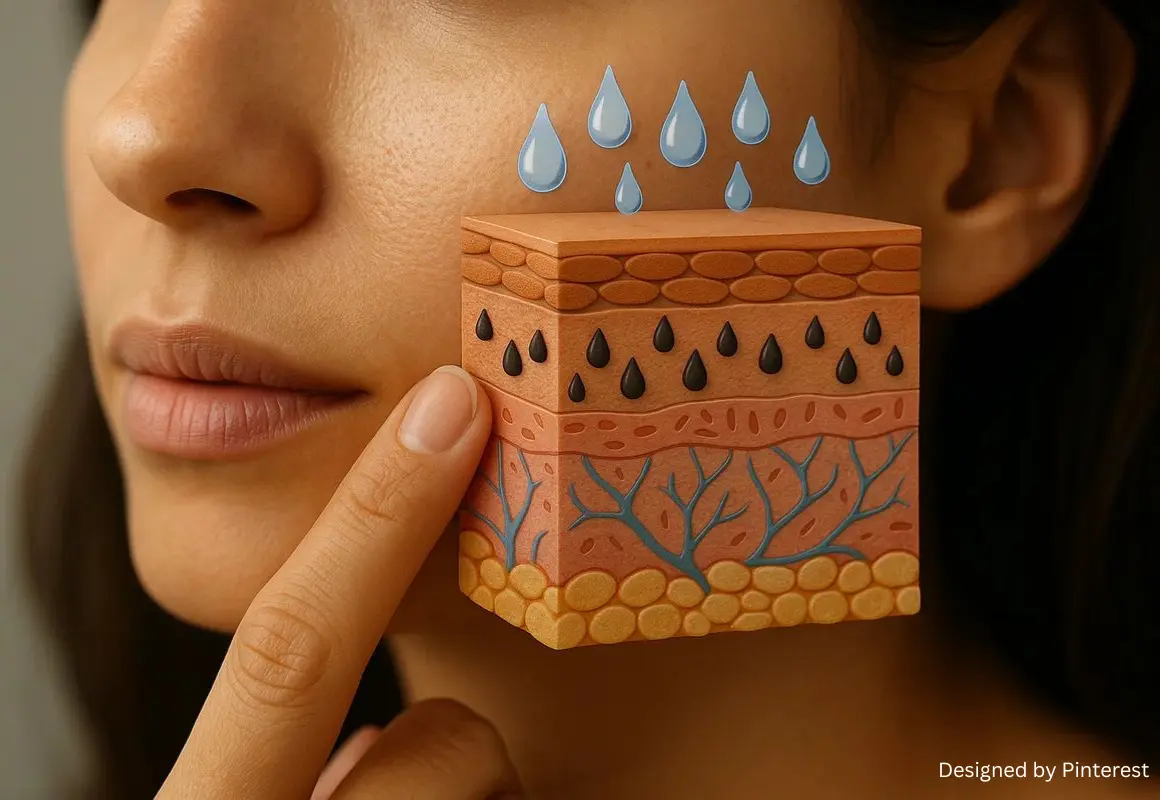
Skin is the largest organ of the human body, making up around 15–20% of total body weight. It works constantly to protect us from pollution, bacteria, UV radiation, and physical damage. Because of this, skin health cannot be separated from mental health, lifestyle, environment, and daily habits.
Holistic skin care focuses on treating skin as part of a larger wellness system—where physical, psychological, and environmental factors work together.
Wellness and Skin Care as the Body’s Natural Protection
Skin is the body’s first line of defense. It acts as a barrier that prevents water loss, blocks harmful substances, and helps regulate body temperature.
Research shows that healthy skin maintains a balanced level of transepidermal water loss (TEWL). When this balance is disturbed—by stress, harsh cleansing, pollution, or hot water—the skin becomes dry, sensitive, and more vulnerable to inflammation.
Studies have found that:
- Hot water increases TEWL more than cold water
- Prolonged exposure to hot water weakens the skin barrier
- Facial skin naturally loses moisture faster than body skin
This explains why gentle cleansing and temperature awareness are essential parts of wellness-based skin care.
Psychological Wellness and Its Impact on Skin Care
The connection between the mind and skin is strongly supported by science. Stress activates the body’s stress-response system, increasing cortisol levels. High cortisol affects the skin by:
- Slowing wound healing
- Weakening immune defense
- Increasing inflammation
Research shows that people under chronic stress experience delayed skin recovery and are more likely to develop inflammatory skin conditions.
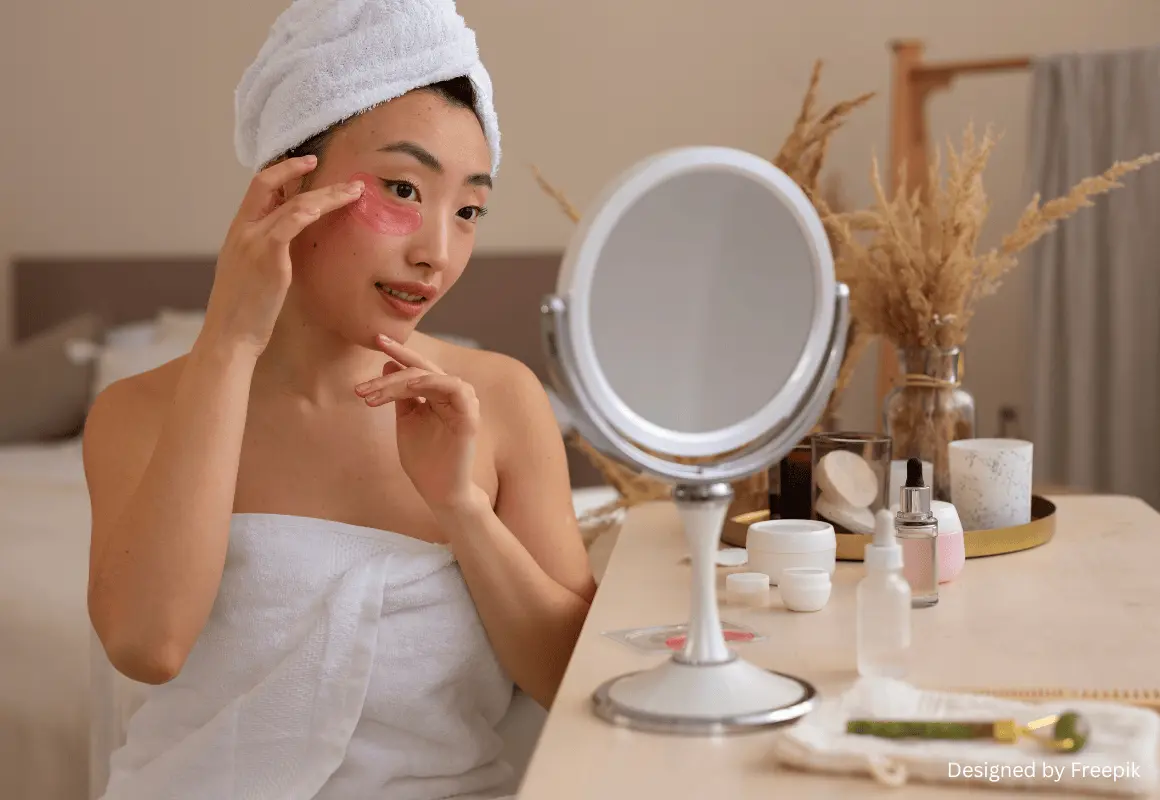
Interestingly, skin care routines themselves can reduce stress. Facial massage and skincare rituals have been shown to:
- Activate the parasympathetic nervous system
- Reduce muscle tension
- Lower heart rate and breathing rate
This means skin care is not only about products—it is also a form of emotional self-care.
Environmental Wellness and Skin Care Health
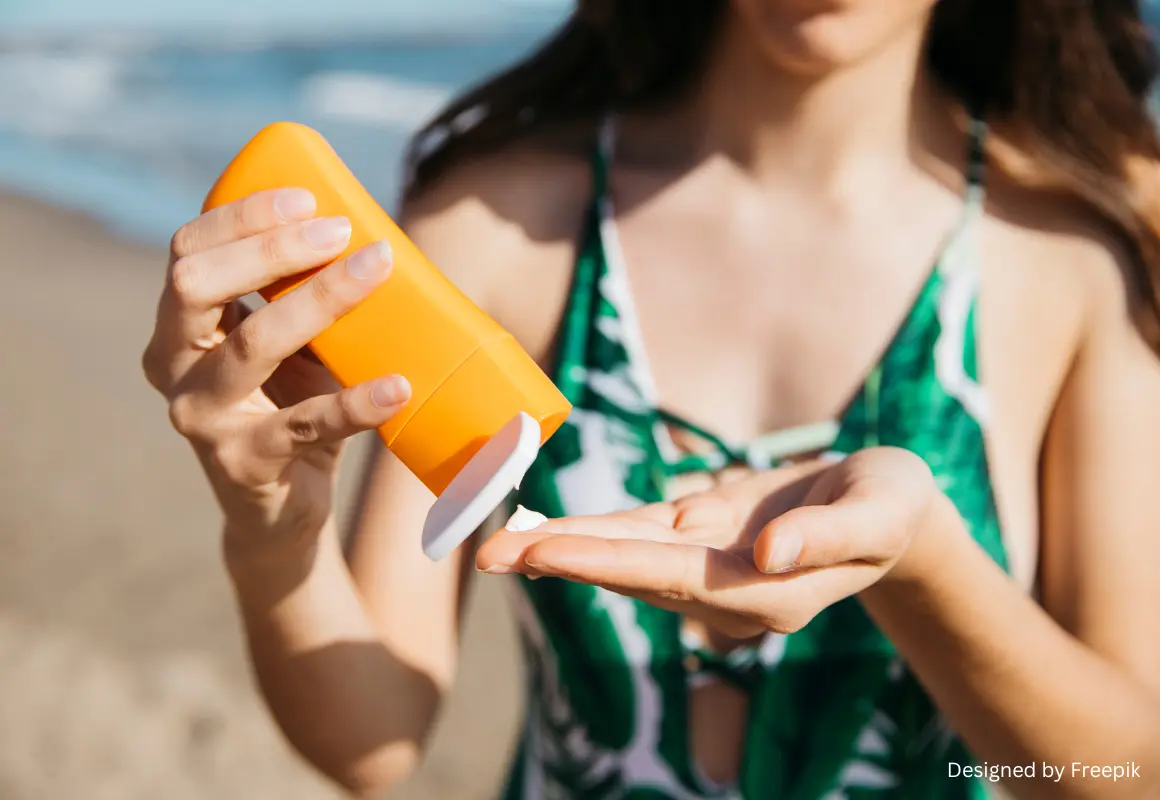
Modern skin faces constant exposure to environmental stressors, especially air pollution and UV radiation.
Fine particulate matter (PM2.5 and PM10) from traffic, industry, and dust can penetrate the skin barrier. Research links pollution exposure to:
- Increased pigmentation
- Premature aging
- Inflammation and oxidative stress
Water quality also plays a role. Hard water, which contains high mineral content, can interact with cleansing agents and leave residues on the skin, potentially disrupting the skin barrier—especially in sensitive or aging skin.
Wellness, Skin Care, and Life Stages
Skin needs change throughout life and differ between genders.
Scientific findings show that:
- Male skin is about 20% thicker than female skin
- Men sweat 30–40% more during physical activity
- Women experience faster collagen loss after menopause
- Aging skin shows reduced sweating and slower repair
These changes highlight why wellness-based skin care must adapt to age, hormones, and lifestyle rather than follow a one-size-fits-all approach.
Sustainable Wellness and Skin Care
Sustainability is an important part of holistic wellness. However, research shows that “natural” does not always mean environmentally friendly.
Some natural ingredients require intensive extraction processes, which may increase environmental impact. True sustainable skin care considers:
- Ingredient safety
- Production methods
- Biodegradability
- Consumer usage behavior
Wellness-driven skin care encourages mindful consumption, not overuse.
Conclusion: Wellness Is the Foundation of Healthy Skin
Scientific evidence clearly shows that skin health reflects overall wellness. Sleep, stress management, environment, nutrition, and daily habits all influence how skin functions and ages.
Holistic skin care does not replace dermatological science—it expands it. By viewing skin as part of a living system, wellness-based skin care supports long-term skin health rather than short-term cosmetic results.
References (Selected)
- Nguyen, K. L. (2024). Design for A Holistic Skincare. Politecnico di Milano.
- Krutmann, J. et al. (2014). Pollution and skin aging. Journal of Investigative Dermatology.
- Altemus, M. et al. (2001). Stress-induced skin barrier disruption.
- Bouhout, S. et al. (2023). Facial skincare and parasympathetic activation.
- Herrero-Fernandez, M. et al. (2022). Water temperature and TEWL.
- Bom, S. et al. (2019). Sustainability in cosmetic products.
- Kiecolt-Glaser, J. et al. (1995). Stress and wound healing.
- Krutmann, J. et al. (2017). UV radiation and skin aging.
Related Knowledges

.webp)

export@carebeau-enjoy.com
info@carebeau-enjoy.com