



Skin Barrier and Skin Care: Why Your Skin Needs Protection
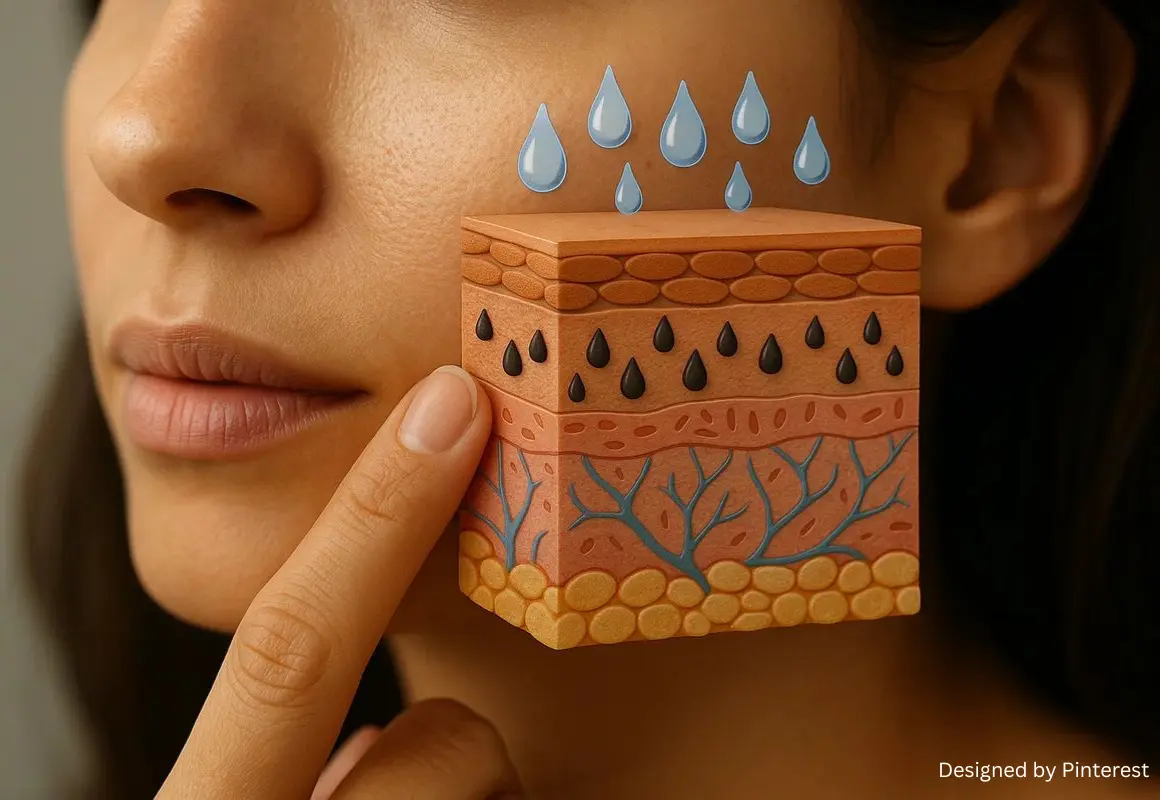
Skin Barrier and Skin Care: Why Your Skin Needs Protection
When people talk about skin care, they often think about creams, serums, or cleansers. But before any product can work well, your skin needs something more basic — a healthy skin barrier.
The skin barrier is the outer layer of your skin. Its main job is simple:
- Keep moisture inside
- Keep irritants, pollution, and bacteria outside
If this barrier is damaged, skin can feel dry, tight, sensitive, or break out easily. Research shows that one key factor behind a strong skin barrier is something many people don’t see — the skin microbiome.
What Is the Skin Barrier in Skin Care?
Think of your skin barrier like a brick wall:
- Skin cells are the bricks
- Natural oils and lipids are the cement
This wall helps prevent water from escaping and protects your skin from the outside world. When the wall is strong, skin looks smooth, hydrated, and calm.
Scientists measure barrier health using transepidermal water loss (TEWL).
Higher TEWL means water escapes easily — a sign of a weak skin barrier.
Skin Microbiome: Friendly Bacteria on Your Skin
Your skin is home to millions of tiny microorganisms, mostly good bacteria. This is called the skin microbiome.
These good bacteria help your skin by:
- Supporting the skin’s natural pH (around 5.5)
- Preventing harmful bacteria from growing
- Helping the skin stay calm and balanced
As long as these bacteria are balanced, they protect your skin barrier every day — without you noticing.
When the Skin Barrier Is Damaged
Problems start when the skin barrier and microbiome fall out of balance. This can happen due to:
- Over-cleansing
- Strong soaps or alcohol-based products
- Too much exfoliation
- Pollution and stress
When this happens, you may notice:
- Dryness and flaking
- Redness or sensitivity
- Acne or irritation
- Faster skin ageing
Studies show that conditions like acne and eczema are linked to changes in the skin microbiome and weaker barrier protection.
How Skin Care Products Affect the Skin Barrier
Not all skin care products help the skin barrier. Some can actually weaken it.
Research shows that:
- Harsh cleansers remove natural oils
- High-pH products disturb skin balance
- Some preservatives reduce good bacteria on the skin
On the other hand, gentle products with skin-friendly pH help maintain moisture and support barrier recovery.
Modern Skin Care Focuses on Barrier Health
Today, skin care is moving away from “deep cleaning” and toward barrier support.
New approaches include:
- Ingredients that support good bacteria (prebiotics)
- Gentle formulas that respect skin pH
- Products designed to reduce moisture loss
Clinical studies show that barrier-friendly skin care can:
- Reduce water loss from the skin
- Improve skin hydration
- Help skin feel calmer and stronger over time
Conclusion: Healthy Skin Starts with the Skin Barrier
A healthy skin barrier is the foundation of good skin care. When your barrier is strong and your skin microbiome is balanced, your skin can protect itself better, stay hydrated, and react less to daily stress.
Skin care works best when it supports what your skin already knows how to do — protect itself.
References
- Santos, Y. R., et al.
A review of skin microbiome and new challenges to cosmetic microbiome-friendly formulations.
International Journal of Cosmetic Science, 2026. - Elias, P. M.
Skin barrier function.
Current Allergy and Asthma Reports, 2008, 8(4), 299–305. - Lambers, H., Piessens, S., Bloem, A., Pronk, H., & Finkel, P.
Natural skin surface pH is on average below 5, which is beneficial for its resident flora.
International Journal of Cosmetic Science, 2006, 28(5), 359–370. - Byrd, A. L., Belkaid, Y., & Segre, J. A.
The human skin microbiome.
Nature Reviews Microbiology, 2018, 16(3), 143–155. - Fluhr, J. W., Feingold, K. R., & Elias, P. M.
Transepidermal water loss (TEWL): measurement and relevance.
Skin Pharmacology and Physiology, 2006, 19(2), 67–78.
Related Knowledges




.webp)

export@carebeau-enjoy.com
info@carebeau-enjoy.com